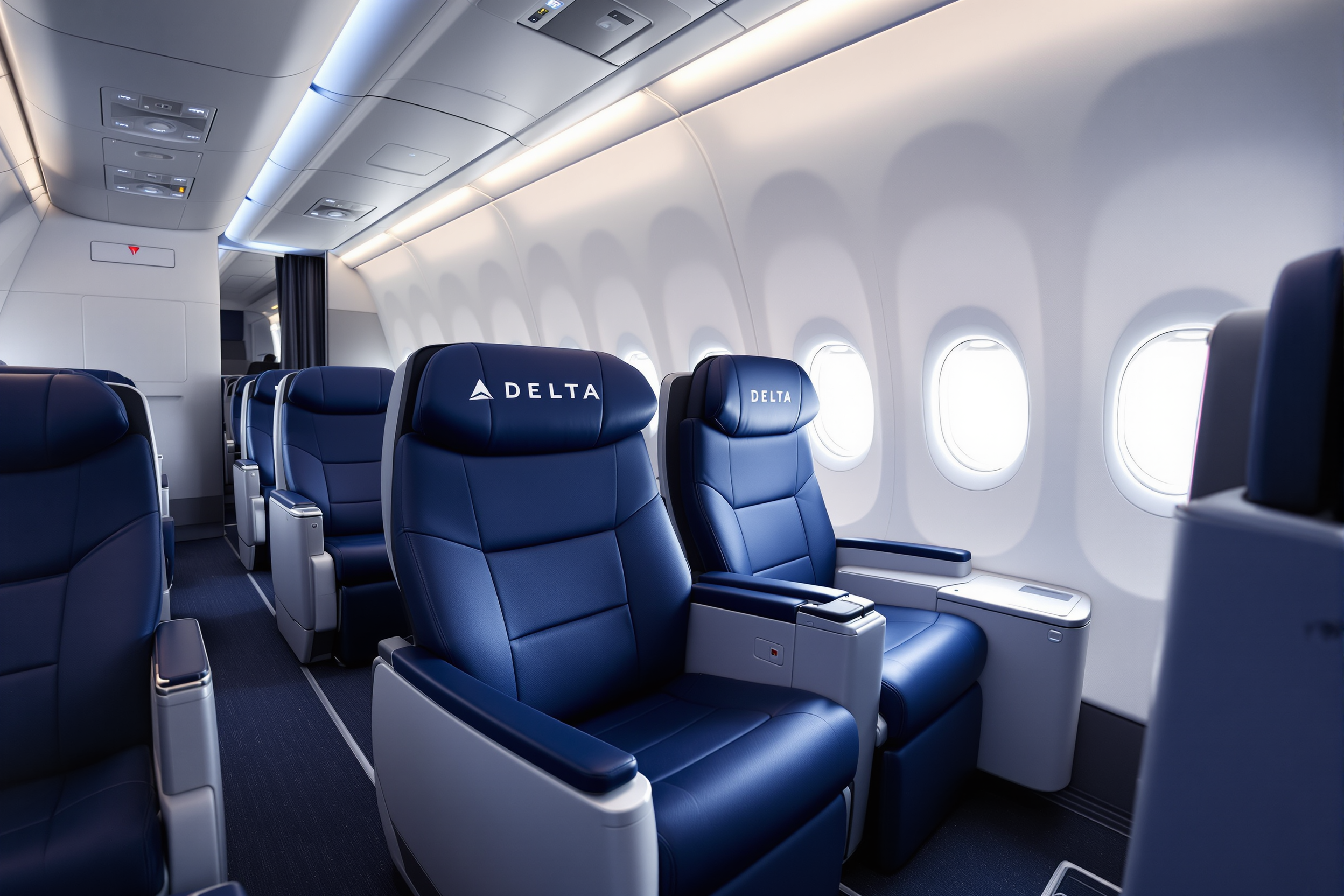
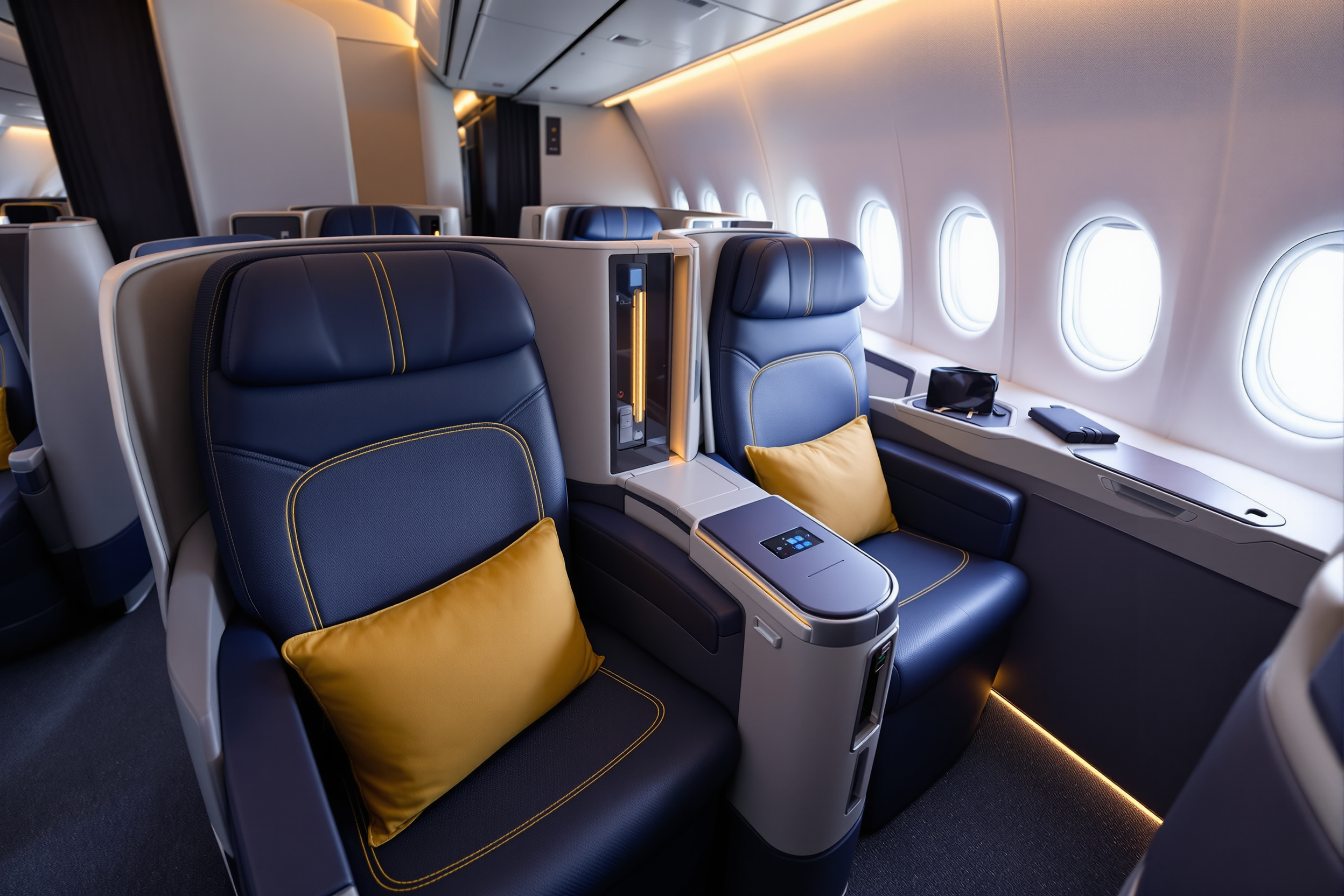
The bottom line: United is adding sliding privacy doors, 17.3-inch 4K screens, and a redesigned galley to the Polaris cabin on all 38 of its 787-9s — completing the retrofit by Q3 next year.
United Airlines has begun a phased refresh of the Polaris business class cabin on its Boeing 787-9 fleet, marking the first significant update to the seat product since its original 2017 launch. The first refurbished aircraft entered scheduled service this week on the Newark to Frankfurt route, with the carrier expecting to complete the modification of all 38 aircraft by the third quarter of next year.
The work is being carried out at United’s Houston technical operations center during scheduled C-checks, with each aircraft requiring approximately fourteen days of dock time. Industry observers had long expected United to follow the broader industry trend toward fully enclosed business class suites, and the refresh confirms that move.
What’s actually new
The most visible change is the addition of sliding privacy doors at every Polaris seat — a feature that has become near-standard among premium long-haul operators since Qatar Airways introduced the Qsuite in 2017. The doors slide closed at cruising altitude and remain fully retractable for taxi, takeoff, and landing per regulatory requirement.
In-flight entertainment has been upgraded to a 17.3-inch 4K display at every seat, replacing the original 16-inch unit. The display now supports Bluetooth audio, allowing passengers to use their own wireless earbuds without the need for an adapter — a long-requested feature.
Storage has been redesigned around the realities of how passengers actually use the seat. A new wireless charging surface integrates into the side console, and a dedicated stowage compartment accommodates a 16-inch laptop without the need to fold it flat. The amenity drawer has been deepened to fit Bose QC Ultra-class headphones with cases.
Service flow improvements
Less visible but arguably more important are the changes United has made to the galley layout. By relocating bar service equipment closer to the cabin and introducing a dual-oven configuration on each side, the carrier expects to reduce the typical post-takeoff meal service window from approximately ninety minutes to around sixty-five — a meaningful difference on shorter transatlantic sectors where a full meal plus rest cycle competes against a relatively short cruise time.
Cabin crew have been retrained on the new service flow at United’s Houston in-flight training center. The company has not yet announced whether menu structure changes will accompany the operational updates, though sources familiar with the program indicated that an expanded chef’s table option is being tested on selected Pacific routes.
Roll-out and bookings
The first refurbished frames are being deployed on Newark routes to Frankfurt, Munich, and Tel Aviv. United’s reservation system does not currently flag the refurbished aircraft, though the carrier has indicated it will introduce a filter on united.com for premium cabin bookings later this quarter. Until then, the practical guide for travelers wanting the refreshed product remains the registration of the specific aircraft tail number against the frequently-updated retrofit schedule maintained by enthusiast communities.
For corporate travel buyers with negotiated United contracts, the refresh does not affect commercial terms but does materially improve the soft product on the carrier’s most strategic transatlantic equipment.